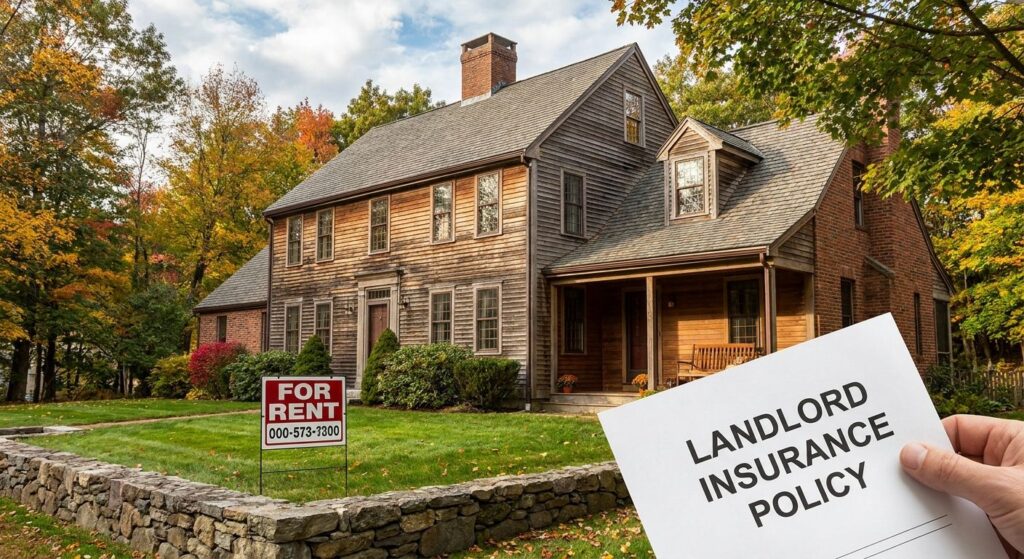
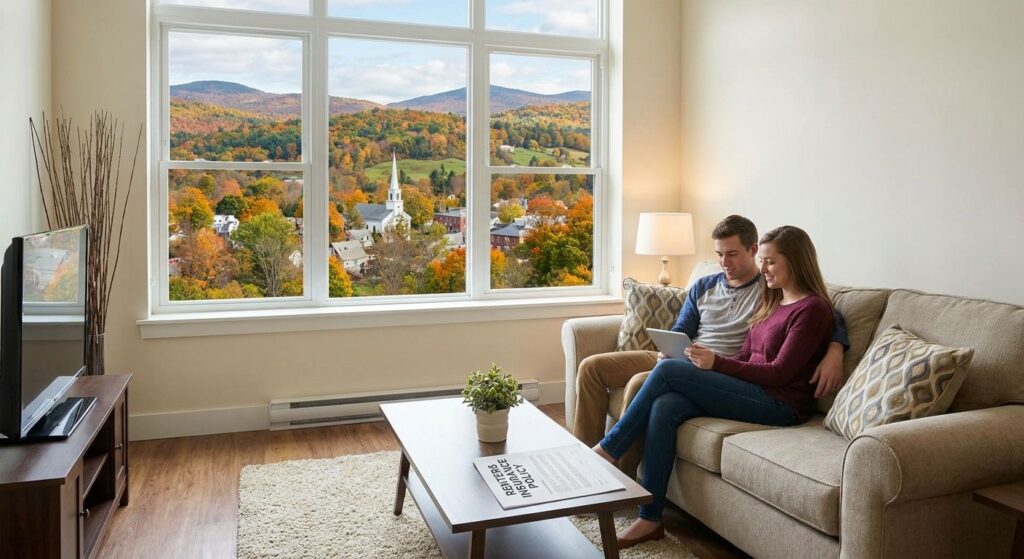
Renting in New Hampshire doesn't come with a legal requirement to carry renters insurance, but most landlords in Manchester, Nashua, and Amherst NH write it into the lease anyway — and even when they don't, a $79 shirt and a bent bike frame add up fast after a burst pipe or a break-in. Here's what actually matters when you're comparing renters insurance new hampshire tenants can rely on, not generic checklist filler.
- Renters insurance new hampshire tenants need typically runs $15 to $30 a month for $30,000 in personal property coverage.
- $100,000 in liability protection is the floor, not the ceiling, for most NH apartment and duplex renters in 2026.
- Landlord policies never cover your belongings — that myth costs renters thousands after a fire or theft claim.
- Bundling renters insurance with an auto policy through The Mello Agency often beats buying each separately.
- Skip named-perils-only policies if you’re in an older NH building with a wood stove or space heaters in use.
Why this matters
A lot of New Hampshire renters assume the building's insurance has them covered. It doesn't — a landlord's policy protects the structure, not your couch, your laptop, or your liability if a guest slips on your stairs. Without your own renters insurance, a kitchen fire in the unit next door can wipe out everything you own with zero payout coming your way.
New Hampshire's mix of housing stock makes this sharper than in a lot of states. Older triple-deckers with knob-and-tube wiring, converted farmhouses with wood stoves, and in-law apartments carved out of single-family homes all carry risks that a generic policy handles differently. Renters insurance new hampshire households actually need should match the building they live in, not a one-size template.
Who this is for
This guide is for anyone renting in New Hampshire in 2026 — apartment tenants in Manchester and Nashua, single-family home renters in Amherst NH, college students off campus, and anyone living in a rented in-law apartment or accessory unit. If you don't own the roof over your head but you do own the stuff under it, this applies to you.
What to look for in renters insurance for New Hampshire tenants
Personal property coverage that matches what you own
Most NH renters underestimate their belongings by half. Add up furniture, electronics, clothing, and kitchen gear, and $20,000 to $30,000 in coverage is a realistic starting point for a one-bedroom apartment, more if you've got a home office setup or a decent bike collection.
Liability protection above the minimum
$100,000 in liability coverage is the common floor, but it's worth pushing to $300,000 if you have guests over regularly or own a dog. One slip-and-fall lawsuit in New Hampshire can blow past six figures in medical bills and legal fees before it settles.
Loss of use / additional living expenses
If a fire or burst pipe makes your rental unlivable, loss-of-use coverage pays for a hotel and meals while repairs happen. NH winters make this section non-negotiable — a frozen pipe in January can force you out for weeks, not days.
Named-peril vs. open-peril policies
Named-peril policies only pay out for risks listed on the page. Open-peril (all-risk) policies cover everything except what's specifically excluded, which matters if your rental has a wood stove, older wiring, or sits near a river prone to spring flooding.
Deductible sized to your actual savings
A $500 deductible keeps premiums lower but means you're covering the first $500 of any claim yourself. If you don't have that cash sitting in a checking account, a lower deductible is worth the extra few dollars a month.
Special New Hampshire risk factors
Wood stoves, space heaters, and ice dams show up constantly in NH rental claims. A policy that flags or excludes wood-stove-related fire damage leaves a real gap if your rental has one — homes with wood stoves in New Hampshire carry underwriting quirks worth understanding even as a tenant, since it affects what your landlord's policy will and won't touch.
Coverage scenarios worth a second look
Renting an in-law apartment — the situation people forget to insure
If you're renting a converted in-law apartment attached to a single-family home, your coverage needs sit in a gray zone between standard renters insurance and the homeowner's own policy. The homeowner's coverage on homes with in-law apartments in New Hampshire typically doesn't extend to a tenant's belongings, so you still need your own HO-4 policy even though you're technically inside a house, not an apartment building. Verdict: Buy — this is the single most-skipped coverage gap for NH in-law tenants.
Renting without a car — don't assume you're off the hook for auto liability
If you don't own a vehicle but occasionally borrow a friend's car or drive a rental during a trip, a non-owner car insurance policy fills the liability gap between your renters policy and whatever car you're behind the wheel of. It's cheap relative to a full auto policy and keeps your license clean if something goes wrong. Verdict: Consider — worth it if you drive occasionally, skip if you never touch a wheel.
Get your renters coverage sorted
Quick review of what you need, no pressure — call, text, or start a quote online.
Bundling renters and auto insurance
Renters who also carry an auto policy through the same carrier often see a meaningful discount on both. Bundling home and auto insurance in New Hampshire works the same way for renters policies paired with an auto policy, and it's worth a call to compare against separate carriers before you renew either one. Verdict: Buy — bundling rarely costs more and usually saves.
What to avoid
- Assuming the landlord's policy covers your stuff. It covers the building's structure and the landlord's liability — never your furniture, electronics, or clothing.
- Skipping liability coverage because "I have nothing to sue for." Liability claims target future wages and assets too, not just what's in your bank account today.
- Buying the cheapest named-peril policy in a wood-stove or older-wiring rental. The premium savings look good until a claim gets denied because the cause of loss wasn't on the covered list.
Verdict comparison
| Situation | Coverage priority | Verdict |
|---|---|---|
| Standard apartment renter | $30,000 property, $100,000 liability | Buy standard HO-4 |
| In-law apartment tenant | Separate HO-4, don't rely on homeowner policy | Buy |
| Renter with no car, occasional driving | Non-owner auto liability add-on | Consider |
| Renter with wood stove or space heaters | Open-peril policy, verify heat source coverage | Buy open-peril |
| Renter also carrying auto insurance | Bundled renters + auto | Buy bundled |
FAQ
Is renters insurance required by law in New Hampshire?
No, New Hampshire does not legally require renters insurance in 2026. Many landlords require it as a lease condition, so check your lease before assuming you can skip it.
How much does renters insurance cost in New Hampshire?
Renters insurance in New Hampshire typically runs $15 to $30 a month for $30,000 in personal property coverage and $100,000 in liability. Cost rises with higher coverage limits or added endorsements like jewelry riders.
Does renters insurance cover flood damage in New Hampshire?
Standard renters insurance excludes flood damage, including rising water from rivers or heavy rain. NH renters near flood-prone areas need a separate flood policy for their belongings.
Do I need renters insurance if I live in an in-law apartment?
Yes — the homeowner’s policy on the main house rarely extends to a tenant’s personal belongings in an in-law unit. A standalone HO-4 renters policy closes that gap.
What does renters insurance liability coverage actually pay for?
Liability coverage pays medical bills and legal costs if someone is injured in your rental or you accidentally damage someone else’s property. $100,000 is the common starting limit, with $300,000 available for higher-risk households.
Can I bundle renters insurance with auto insurance in New Hampshire?
Yes, most carriers offer a discount when renters insurance is bundled with an auto policy. It’s worth comparing the bundled rate against separate policies at renewal time.
Does renters insurance cover a wood stove fire?
Coverage depends on the policy type — open-peril policies generally cover wood stove fires while some named-peril policies exclude or restrict them. Confirm the heat source is disclosed and covered before you sign.
What’s the difference between named-peril and open-peril renters insurance?
Named-peril policies only cover risks specifically listed, while open-peril policies cover everything except what’s excluded. Open-peril costs slightly more but closes gaps that matter in older NH rentals.
One last thing
The most overlooked line item on a renters policy is loss-of-use coverage — it's the part that pays for a hotel room when your rental is unlivable after a burst pipe, and it's exactly the claim New Hampshire winters generate every single year.
Related guides