Business insurance for marinas and boat storage in New Hampshire covers the property, liability, and vehicle exposures that come from keeping other people's boats in your care — docks, lifts, fuel systems, storage racks, and the crew who move hulls around a gravel yard. A standard small-business policy doesn't fill that gap. Marinas and boat storage yards carry a mix of on-water liability, seasonal staffing, and property-in-your-care exposure that most general policies exclude or cap low.
- Business insurance for marinas and boat storage NH needs bailee/garagekeepers coverage on top of general liability — a base policy won’t pay for a customer’s boat damaged in your rack.
- NH requires workers’ compensation once you have even one employee, seasonal or full-time.
- Winter shrink-wrap and haul-out season create fire and collapse risk most owners underinsure.
- Forklifts and travel lifts need inland marine or specific equipment coverage, not just a generic BOP.
- Certificates of insurance from every renter and a signed dock lease matter as much as the policy limits themselves.
Why this matters for marinas and boat storage operators
New Hampshire's marine season runs hard from May through October on Lake Winnipesaukee, Lake Sunapee, Squam Lake, and the tidal waters of Great Bay and the Piscataqua River, then flips almost overnight into a winter storage and shrink-wrap operation. That swing changes your risk profile twice a year. In summer, you're liable for slip-and-fall accidents on docks, fuel handling, and boats moving under your staff's control. In winter, you're storing hundreds of thousands of dollars in customer property under tarps, in racks, or indoors — with heat guns, propane torches, and snow load all in play.
A policy built for a landlocked small business doesn't anticipate any of that. General liability insurance for New Hampshire small businesses is the starting point, not the finish line, for an operation that handles other people's boats.
Verdict: a marina or boat storage business in New Hampshire needs a package built around bailee/garagekeepers coverage, workers' comp, and fleet or inland marine protection for lifts and trailers — a generic small-business policy leaves the most expensive part of the operation uninsured.
Map every exposure on your property
Before you buy anything, walk the property and list what's actually at risk. Most marina owners underinsure because they price coverage against square footage instead of activity.
- Docks, floating slips, and gangways exposed to storm and ice damage
- Fuel dispensing stations and underground or above-ground tanks
- Travel lifts, forklifts, and cradles used to haul boats
- Indoor and outdoor storage racks holding customer vessels
- Ship's store inventory, parts, and retail stock
- Environmental cleanup costs from a fuel spill or hydraulic leak
Cover the boats in your care
This is the coverage gap that catches marina owners the most. A general liability or property policy typically won't pay to repair a customer's boat that falls off a rack or gets damaged in your storage building — you need bailee's customers coverage (sometimes sold alongside garagekeepers-style endorsements) written specifically for property left in your custody.
- Bailee's customers coverage for boats damaged while hauled, stored, or serviced
- Garagekeepers-style limits for boats stored indoors over winter
- All-risk vs. named-peril hull coverage during layup — named-peril is cheaper but excludes more
- A separate sub-limit for high-value boats above a set length or replacement cost
- Clarity on whether consignment or brokered boats fall under your policy or the owner's
Protect against on-water and on-premises liability
Slip-and-fall claims on wet docks, injuries from moving equipment, and product liability from parts you sell all sit on top of your bailee exposure. If your ship's store sells beer or wine, that's a separate liquor liability question too.
- General liability for dock, parking lot, and building injuries
- Product liability for parts, fuel, and accessories sold on-site
- Liquor liability if alcohol is sold in a ship's store or dockside bar
- Watercraft liability if staff launch, move, or test-drive customer boats
- Umbrella limits above your primary liability for larger claims
The general liability insurance for New Hampshire small businesses page breaks down base limits most small operators start with before layering marine-specific endorsements on top.
Insure your seasonal and year-round staff
New Hampshire law requires workers' compensation once a business has even one employee — seasonal dock hands and shrink-wrap crews count the same as year-round mechanics. Classification codes matter here: a marina that misclassifies a mechanic as a dock attendant will get a premium audit correction, or worse, a denied claim.
- Workers' comp coverage triggered at one employee, seasonal or full-time
- Correct classification codes for mechanics vs. dock staff vs. office staff
- Coverage that follows short-season hires brought on for spring launch and fall haul-out
- Return-to-work language for injuries during physical dock or lift work
Check current requirements against workers' compensation insurance for New Hampshire small businesses before you bring on your next seasonal crew.
Insure vehicles, forklifts, and trailers used on-site
Commercial auto covers trucks and boat trailers that leave your property. Forklifts, travel lifts, and cradles that stay on-site usually need inland marine or specific equipment coverage instead — a common blind spot when owners assume their auto policy covers everything with wheels.
- Commercial auto for owned trucks and boat trailers
- Hired and non-owned auto if staff use personal vehicles for parts runs
- Inland marine or equipment coverage for forklifts and travel lifts
- Physical damage coverage for cradles and boat stands during transport
Commercial auto insurance for New Hampshire business fleets covers the vehicle side; equipment used strictly on-property needs a separate line.
Plan for winter storage and haul-out season
October through April is when marinas quietly carry the most exposure. Shrink-wrap crews run heat guns near flammable material, snow load can collapse a rack full of boats, and off-season theft of outboards and electronics spikes when fewer people are on the property.
- Fire coverage sized for shrink-wrap and heat-gun operations
- Collapsed structure coverage for storage racks under snow load
- Theft coverage for outboards, electronics, and batteries pulled for winter
- Business income coverage if a fire or collapse shuts down storage before spring launch
Review dock leases and storage contracts
Many marina liability disputes trace back to a slip agreement or storage contract that never spelled out who's responsible for what. In 2026, tightening insurance markets mean landlords and lenders are asking for certificates of insurance more often than they did five years ago.
- Hold-harmless and indemnification language in every storage agreement
- Certificate of insurance requirements from customers who winter-store commercially
- Written liability limits inside every slip lease, not verbal understandings
- Additional insured status if you lease waterfront from a separate property owner
Get a marina policy reviewed for 2026
Call, text, or start your quote — a quick review shows what’s actually covered.
Comparing coverage options for NH marinas and boat storage
| Option | Best for | Key limitation |
|---|---|---|
| Standalone general liability | Storage-only yards with no fuel handling or repair work | Doesn't pay for customer boats damaged in your care |
| Marina/boatyard package policy | Full-service marinas with slips, fuel, and repair bays | Stricter underwriting and more documentation upfront |
| Bailee/garagekeepers add-on | Any yard storing customer boats indoors or in racks | Only fills a gap — needs a base liability policy under it |
| Business owner's policy (BOP) with marine endorsement | Small combo operations under modest revenue | Many BOPs cap or exclude watercraft exposure entirely |
Verdict: a bare general liability policy is fine for a small parking-lot-only storage lot, but any operation that hauls, racks, or handles customer boats needs bailee coverage layered on top — skipping it is the single most expensive mistake marina owners make.
Common mistakes marinas and boat storage operators make
- Treating boat storage like generic warehousing and skipping bailee coverage entirely
- Insuring forklifts and travel lifts as generic business equipment instead of properly rating them
- Assuming seasonal-only staff don't trigger workers' comp requirements in New Hampshire
- Never collecting a certificate of insurance from customers who store commercially on-site
- Letting winter shrink-wrap crews run heat guns without confirming fire coverage matches that activity
FAQ
What does business insurance for marinas and boat storage in NH cover?
It covers property (docks, lifts, storage buildings), liability for injuries and boat damage, workers’ comp for staff, and vehicles or equipment used on-site. A full marina policy layers bailee coverage on top of a standard general liability base.
Is boat storage insurance the same as boat insurance?
No. Boat insurance covers a boat owner’s own vessel. A marina’s business policy covers the marina’s liability for boats it stores, hauls, or services on behalf of customers, which is a separate coverage line called bailee’s customers coverage.
Do New Hampshire marinas need workers’ compensation?
Yes. New Hampshire requires workers’ compensation coverage once a business has one or more employees, including seasonal dock hands and shrink-wrap crews brought on for spring and fall.
How much liability coverage does a marina need in New Hampshire?
Limits depend on slip count, fuel handling, and the value of boats stored on-site. A marina handling fuel and high-value boats typically needs higher limits and an umbrella layer than a small storage-only yard.
Does general liability cover boats damaged while stored?
Usually not. Standard general liability excludes property in your care, custody, or control — that’s what bailee’s customers or garagekeepers coverage is built to fill.
What is bailee’s customers coverage?
It’s coverage that pays for damage to a customer’s boat while it’s in your possession — hauled, stored, or being serviced. Without it, a boat damaged in your rack is an out-of-pocket loss.
Do I need commercial auto insurance for a marina’s boat trailer?
Yes, if the trailer or truck leaves your property on public roads. Equipment that stays on-site, like forklifts and travel lifts, is usually insured separately under inland marine or equipment coverage.
Is flood coverage separate for a waterfront marina?
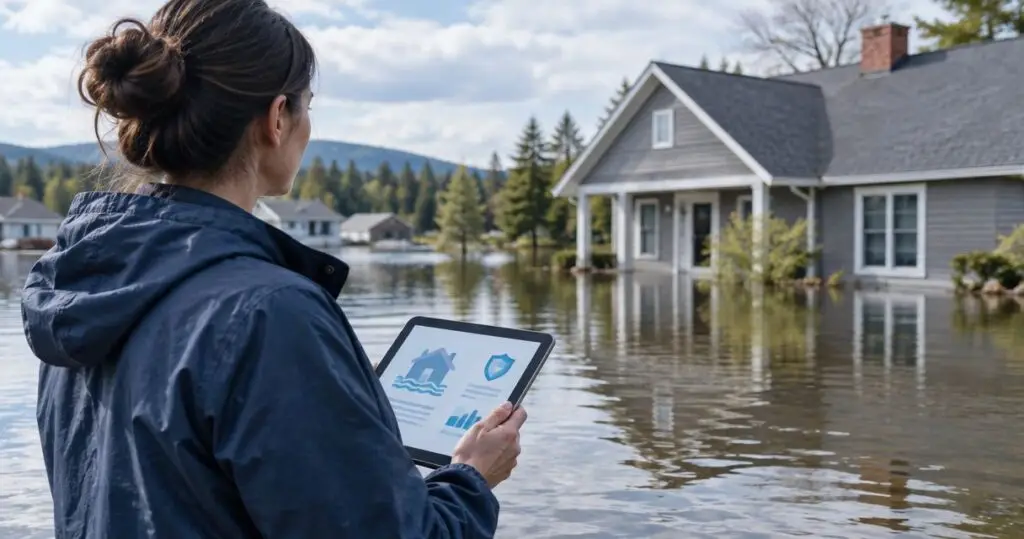
Yes. Standard property policies exclude flood damage, and waterfront marinas sit in some of the highest-exposure flood zones in New Hampshire, so flood coverage has to be added as its own policy.
One last thing
The claim most marina owners never see coming isn't a sunk boat — it's a collapsed storage rack under a heavy snow load in January, with forty customer boats underneath it. Confirm your property policy actually names collapse from snow load as a covered peril before winter storage season starts, not after the first big nor'easter of 2026.
Related guides
- Cyber liability insurance for New Hampshire small businesses
- Boat insurance for New Hampshire lake owners