New Hampshire campground owners need a business insurance package built around seasonal cash flow, guest liability, and rental equipment — not the generic small business bundle a big-box carrier tries to sell every LLC in the state. A 40-site campground running Memorial Day through Columbus Day carries different risk than a year-round RV resort near the Lakes Region, and the policy should reflect that difference, not paper over it.
- Business insurance for campgrounds NH runs on 5-6 core coverages, not one bundled policy.
- General liability plus commercial property is the floor for any NH campground — buy both, skip neither.
- Workers’ compensation is mandatory in NH the moment you hire one seasonal employee.
- Rented canoes, kayaks, and ATVs need an inland marine floater — general liability won’t follow equipment off-site.
- Business income coverage protects a shoulder-season closure after storm damage to docks or bathhouses.
Why campground insurance matters for New Hampshire operators
A campground isn't a retail shop with four walls and a cash register. Guests camp near open fire pits, rent canoes that leave the property, and use playgrounds and pools you're liable for even when a lifeguard isn't on duty. Seasonal staffing swings from a skeleton crew in April to a full roster by July 4th weekend, and NH's short operating season means a single storm-related closure in August can wipe out a disproportionate share of annual revenue.
A policy sized for a typical small business — one built around an office and a handful of employees — misses almost every one of those exposures. Campground owners need coverage that maps to what actually happens on the property: guests cooking over open flame, kids on rented bikes, seasonal-site tenants parking trailers for the summer, and equipment that walks off-site the moment a canoe hits the lake.
General liability insurance for New Hampshire small businesses is the starting point, but it's rarely the finish line for a campground. The steps below cover what gets added on top and in what order.
1. Insure the land, buildings, and rental units
Before quoting anything, walk the property and list every structure by replacement cost, not tax-assessed value. Insurers price commercial property coverage per building, and a campground office valued the same as a bathhouse leaves gaps somewhere.
- List every insurable structure separately: office, bathhouse, camp store, rental cabins, pavilions
- Use replacement cost, not assessed value, for each building
- Flag docks, boat launches, and playground structures as separate property line items
- Check whether nightly-rented cabins need a different classification than owner-occupied structures
- Photograph storm-prone areas — roofs, docks, retaining walls — each spring before opening
2. Cover guest injury with general liability
A quick review of your current policy will show whether campfire, playground, and pool exposures are already excluded — plenty of boilerplate business owner policies exclude exactly what campgrounds need most. This is the point where a licensed agent reviewing the actual policy language matters more than the declarations page summary.
- Confirm campfire and communal cooking-area injuries aren't carved out
- Check limits against your busiest holiday-weekend occupancy, not average nightly occupancy
- Verify playground and pool liability sit inside the same policy, not bolted on as a rider you forgot about
- Ask whether seasonal-site tenants and host trailers are named as additional insureds
- Review medical payments coverage for minor injuries that don't escalate into lawsuits
3. Insure rental equipment and watercraft separately
General liability protects you when someone gets hurt on your property. It does nothing for a $900 kayak that comes back broken, or worse, doesn't come back at all.
- Add an inland marine floater for canoes, kayaks, paddleboards, and rental bikes
- Cover ATVs and side-by-sides under a separate recreational vehicle endorsement, not general liability
- Require signed waivers for every equipment rental, even 30-minute ones
- Confirm coverage follows the equipment off your property, since renters use trails and open water beyond your boundary
- Check depreciation schedules so a lost kayak doesn't leave you covering the gap out of pocket
4. Carry commercial auto for shuttle and utility vehicles
Personal auto policies almost always exclude business use, and golf carts moving guests between sites count as business use.
- Title shuttle vans, golf carts, and maintenance trucks under a commercial auto policy, not a personal one
- Confirm golf carts used for guest transport are listed by name, since insurers ask specifically
- Add hired and non-owned auto coverage if seasonal staff run errands in their own cars
- Schedule trailers hauling firewood or equipment on the policy
- Review driver eligibility for anyone under 21 operating campground vehicles
5. Set up workers' compensation before you hire
Workers' compensation insurance for New Hampshire small businesses is required the moment you have one employee on payroll, seasonal or not. There's no exception carved out for a 16-year-old working the camp store two months a year.
- Classify maintenance staff, camp store clerks, and lifeguards under the correct job codes
- Report actual seasonal payroll, not an annualized estimate, to avoid an audit bill later
- Confirm coverage applies to teenage summer hires, a common campground staffing choice
- Ask about experience-rating impact before your next renewal if there's prior claims history
- Keep incident logs even for minor injuries, since claims history drives future premium
6. Add liquor liability if alcohol is sold or served
- Add liquor liability if the camp store sells beer or wine, or you run weekend beer-garden events
- Confirm the endorsement covers guest-hosted gatherings, not only staff-run bars
- Check that liquor liability follows special-event permits for concerts or festivals on-site
- Verify coverage extends to food trucks or pop-up bars brought in for events
- Ask whether limits scale up for your largest annual event, not just an average weekend
7. Protect cash flow with business income coverage
- Cover lost income if a storm forces a mid-season closure
- Confirm the policy accounts for NH's shoulder-season revenue swing between May and October
- Add extra expense coverage for temporary repairs that let you reopen faster
- Check the waiting period before coverage kicks in after a covered loss
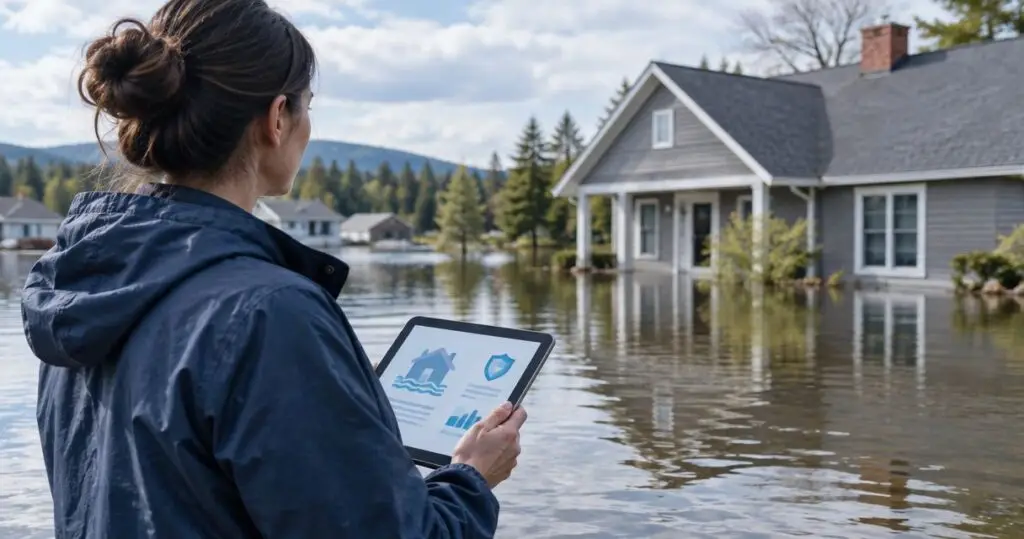
- Review whether dock, bridge, or road washout damage triggers this coverage or falls under a separate flood policy
8. Layer on umbrella coverage for large claims
- Add a commercial umbrella once you're carrying multiple underlying liability limits
- Set the umbrella high enough to cover a serious guest injury claim, not a fender-bender
- Confirm the umbrella follows general liability, auto, and liquor liability together, not just one
- Review the umbrella annually as guest counts or amenities like pools grow
- Ask whether special events need a separate rider under the umbrella limit
Coverage comparison for NH campgrounds
| Coverage | Best for | Key limitation |
|---|---|---|
| General liability | Guest slip-and-fall, campfire, playground claims | Excludes rented equipment once it leaves your property |
| Commercial property | Buildings, bathhouses, rental cabins | Doesn't cover flood without a separate flood policy |
| Inland marine floater | Rented canoes, kayaks, bikes, ATVs | Needs equipment scheduled item-by-item to pay full value |
| Workers' compensation | Seasonal and year-round staff | Mandatory in NH at one employee, no exceptions |
| Commercial auto | Shuttle vans, golf carts, utility trucks | Personal auto typically excludes business use |
| Liquor liability | Camp stores selling alcohol, beer-garden events | Doesn't cover guest-hosted private parties without endorsement |
“If your campground rents out canoes or bikes, general liability alone won’t cover equipment used off your property.”
Common mistakes campground owners make
- Insuring rental cabins under a homeowners-style policy instead of commercial property, which leaves business-use claims denied
- Assuming personal auto covers golf carts and shuttle vans, when business use is almost always excluded
- Skipping workers' comp for teenage seasonal hires, assuming part-time staff don't count under NH law
- Leaving rented kayaks and canoes uncovered once they leave campground property, since general liability stops at the property line
- Underinsuring for the holiday-weekend occupancy peak instead of the average nightly stay used to set limits
Get your campground policy reviewed
A quick review confirms what’s covered and what’s missing before the season starts.
FAQ
What is the best business insurance for campgrounds in NH?
A core stack of general liability, commercial property, and workers’ compensation covers most campground risk in 2026, with an inland marine floater added for rental equipment. Owners with a store, pool, or events layer on liquor liability and umbrella coverage.
Does homeowners insurance cover a seasonal camp used as a rental business?
No. A homeowners policy is written for personal, non-business use and typically excludes claims tied to paying guests. Any camp rented out for income needs a commercial property and liability policy instead.
Is workers’ compensation required for seasonal campground staff in NH?
Yes. New Hampshire requires workers’ compensation coverage once a business has one employee, seasonal or full-time, with no carve-out for short summer hires.
Do I need separate coverage for rented canoes and kayaks?
Yes. General liability covers guest injuries but not damaged or lost equipment, so an inland marine floater scheduled to your rental fleet closes that gap.
Does general liability cover injuries from campfires or playground equipment?
It can, but only if the policy doesn’t specifically exclude those exposures. Many standard business owner policies carve out campfire and recreational equipment claims, so the exact policy language needs a direct review.
How much does campground business insurance cost in NH?
Cost depends on acreage, guest capacity, number of employees, and amenities like pools or rental fleets, so figures vary by property. A licensed agent reviewing your specific setup gives an accurate number faster than any generic estimate.
Do I need liquor liability if my campground store sells beer?
Yes. Selling alcohol, even a few six-packs at the camp store, typically requires a liquor liability endorsement that standard general liability doesn’t include.
What happens if a campground doesn’t carry commercial auto for its golf carts?
A claim involving a golf cart or shuttle van used for business will likely be denied under a personal auto policy, since personal policies exclude business use of a vehicle.
One last thing
The detail most campground owners miss until a claim happens: inland marine coverage for rented kayaks and canoes usually needs to be scheduled item-by-item to pay full replacement value. A blanket fleet listed as one line item on the policy tends to settle at a fraction of what it costs to replace the whole fleet after a bad storm — worth checking before, not after, the next big weekend.
Related guides
- Insuring a seasonal camp in New Hampshire
- Commercial auto insurance for New Hampshire business fleets
- Cyber liability insurance for New Hampshire small businesses